

In short: What are Incoterms?
“Incoterms” stands for International Commercial Terms. Since 1936, these terms of trade have been defined and updated by the International Chamber of Commerce (ICC). With new incoterms released every decade alongside yearly revisions, these standardized rules can be hard to keep up with.
In simple terms, incoterms are a set of international rules that define the responsibilities of the buyer and the seller in a transaction involving the shipment of goods.
The Incoterms rules describe:
- Obligations: Outlines responsibilities of the buyer and seller in a trade transaction
- Risk: Clarify when risk passes from seller to buyer under each of these rules.
- Costs: Outlines how costs are distributed between the seller and the buyer.
Prior to signing off on the commercial arrangement, the involved parties select the Incoterms. What this does is determine who is responsible for; the transport cost of each transportation segment, who loads and unloads the cargo, and who bears risk at any given point if something goes wrong.
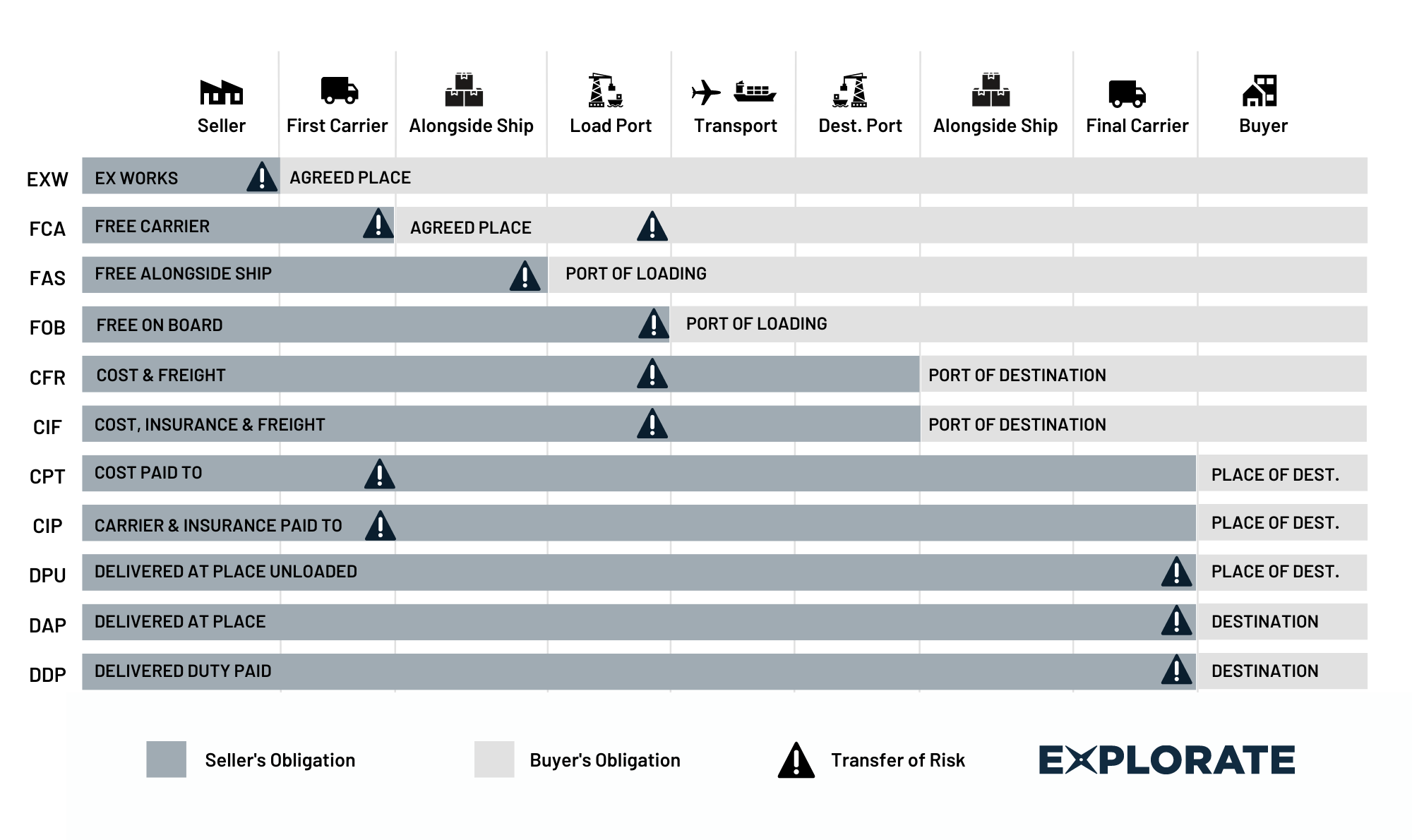
1. EXW (Ex Works)
- The seller, or exporter is to make the cargo available to the buyer, or importer at the seller’s premises.
- The buyer is responsible for all costs, duties, insurance and risk associated with the shipments,
- Risk transfers from seller to buyer once the seller has placed the goods outside their factory/premises.
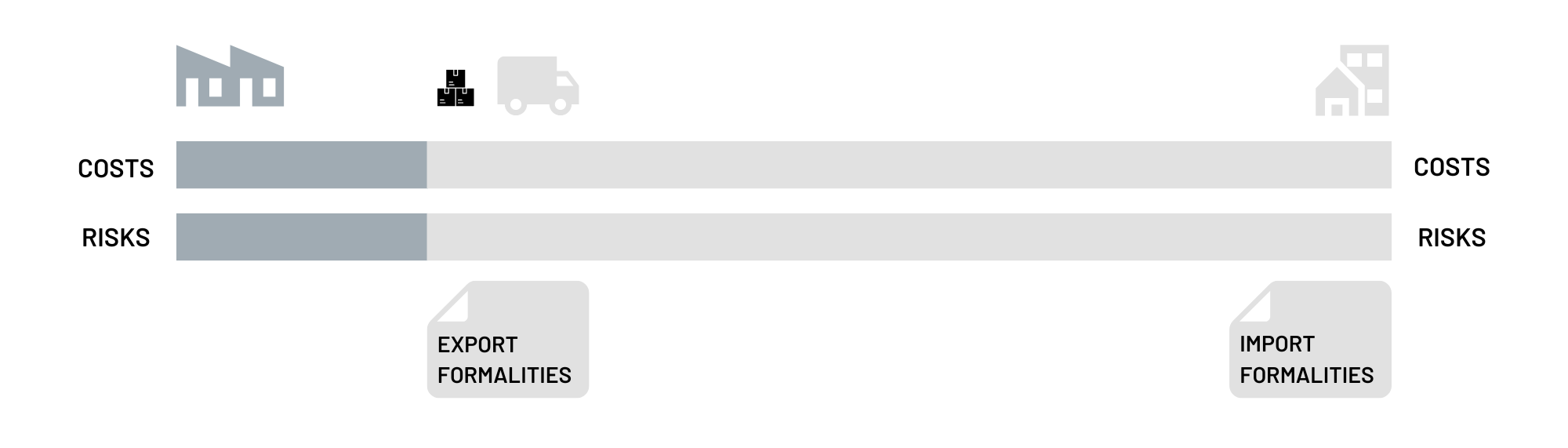
2. Free Carrier (FCA)
- The seller, or exporter is responsible to transport the goods to an agreed place, commonly specified by the buyer, and is required to complete all origin customs formalities.
- The buyer arranges transport and is responsible for import, where applicable. But if commercial practice or at buyer’s request, Seller may arrange transport at buyer’s cost and risk
- Risk transfers to the buyer once the cargo has reached a warehouse, or consolidation depot for example.
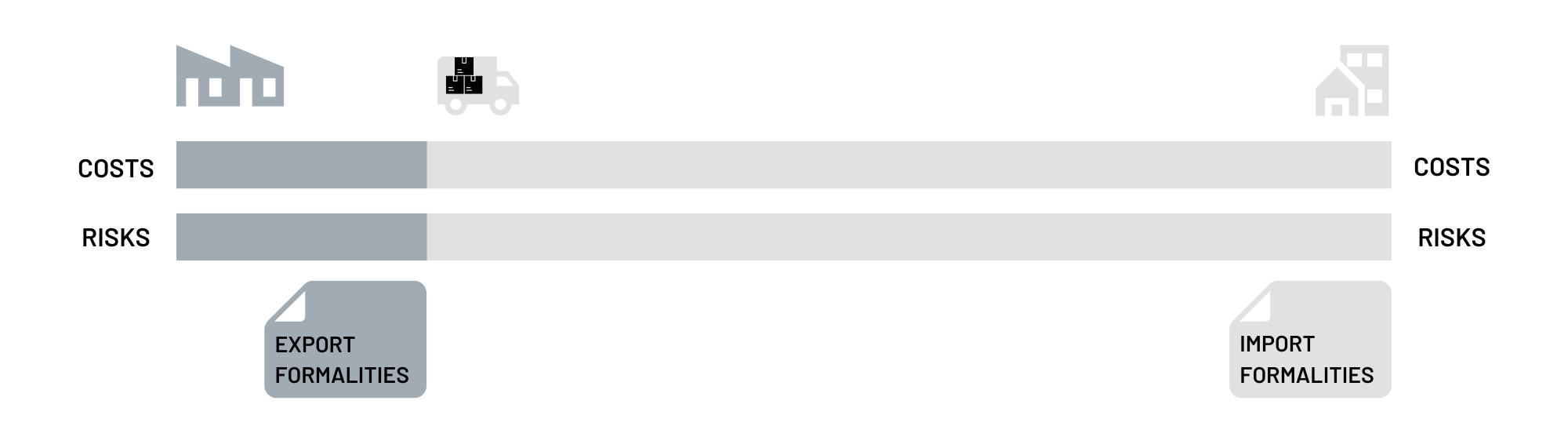
3. Free Alongside Ship (FAS)
- Seller is responsible for export. Seller transports the goods from their premises, completes origin customs formalities, and ensures the goods are safely delivered alongside the international mode of transport (e.g. vessel).
- Buyer pays transport and is responsible for import where applicable.
- Risk Transfers once the seller has delivered goods to the named port alongside the vessel.
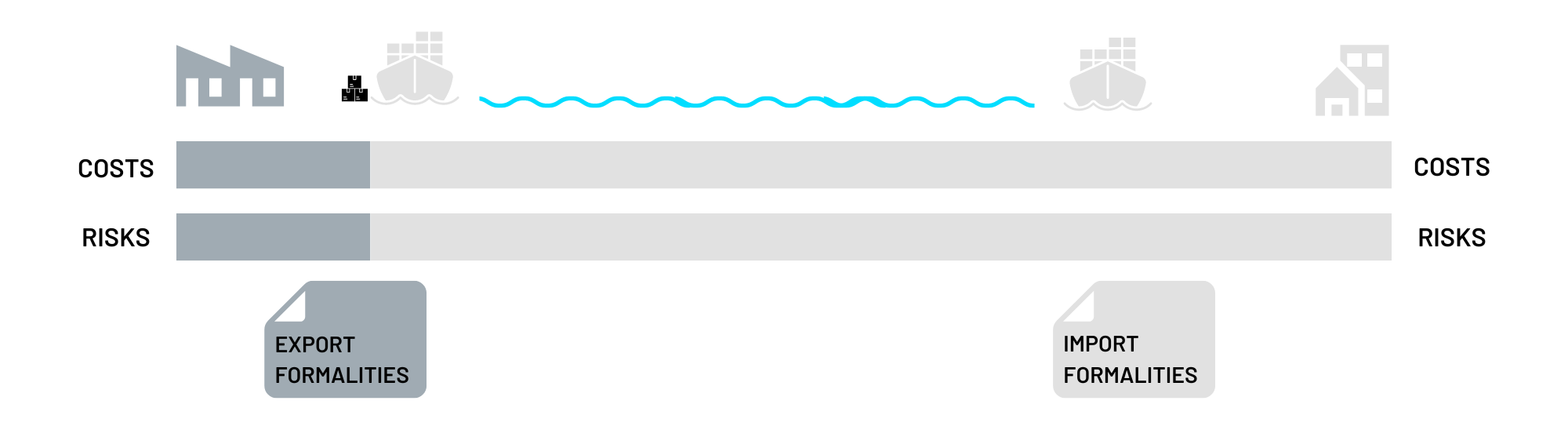
4. Free On Board (FOB)
- FOB is very similar to FAS, however differs in that risk transfers to the seller once the goods have been loaded onto the vessel (specifically when the cargo has crossed the ‘ship's-rail’).
When negotiating FOB terms, for the purpose of clarification, it’s important to state the port in which the terms apply to. For example, if you’re importing/exporting out of Shanghai the terms should read FOB Shanghai.
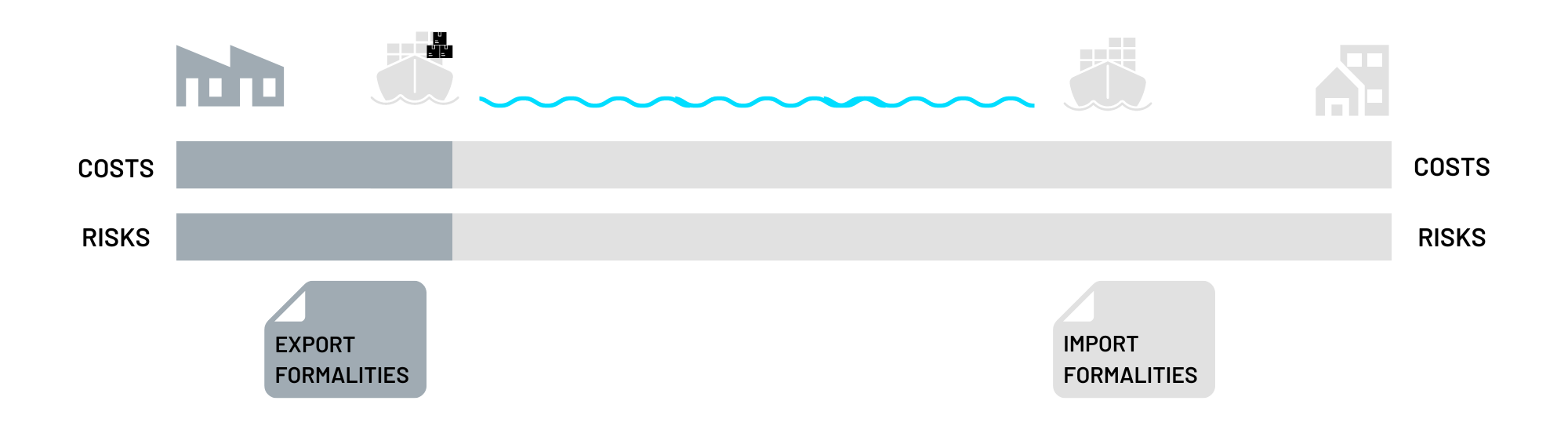
5. Cost and Freight (CFR)
- The seller, or exporter is now responsible for all origin formalities and is also required to cover the international freight charges to the destination port.
- The buyer is responsible for import where applicable
- Risk transfers when the seller hands goods to transport or carrier, without bearing transport risk.
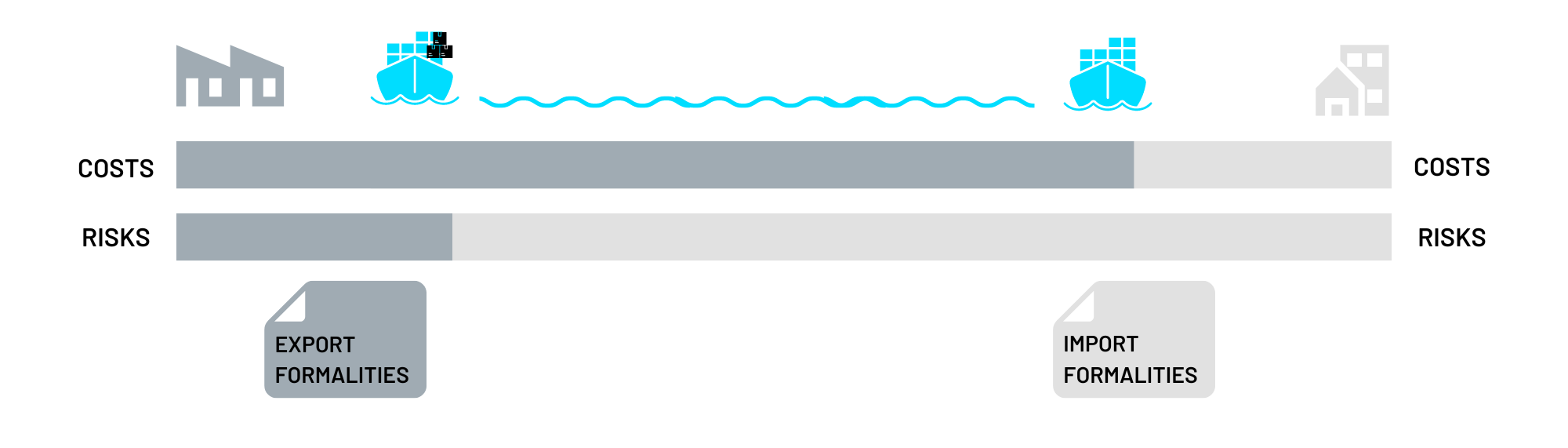
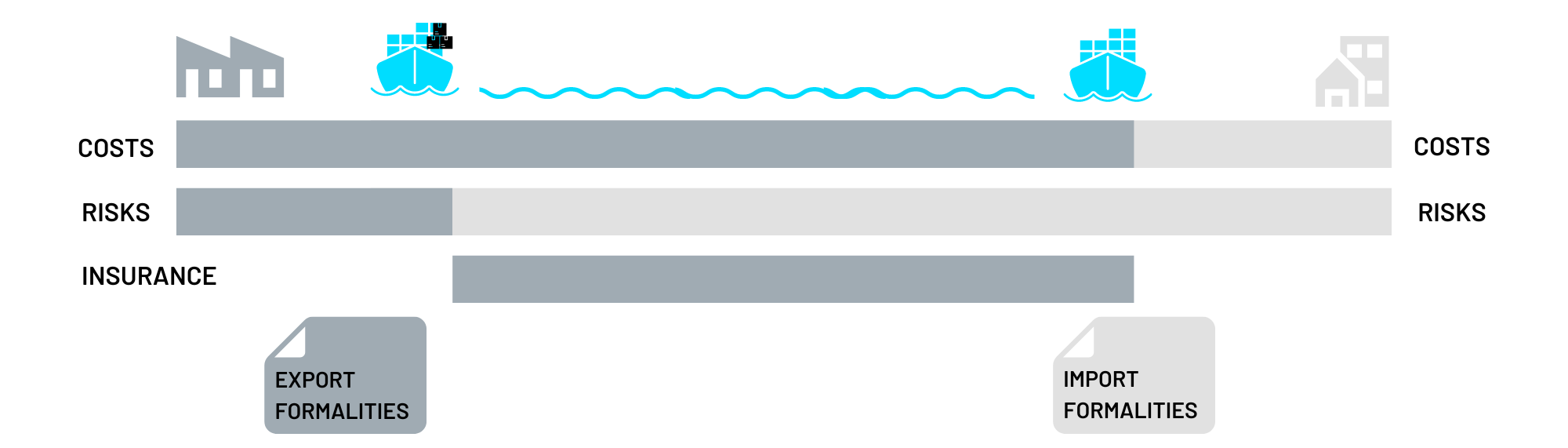
6. Cost Insurance and Freight (CIF)
- The CIF term carries the same conditions as CFR.
- The seller, however, is also required to purchase insurance for the goods, with the buyer, or importer named as the beneficiary.
- Risk transfers when seller hands goods over to carrier BUT seller pays for transport, without bearing transport risk
It’s important to note two things in particular for the CIF term:
- Firstly, should the goods be damaged in transit, the buyer is required to file the insurance claim, not the seller.
- Secondly, for a shipment to qualify for the CIF term, the cargo must be partially moved by ocean freight.
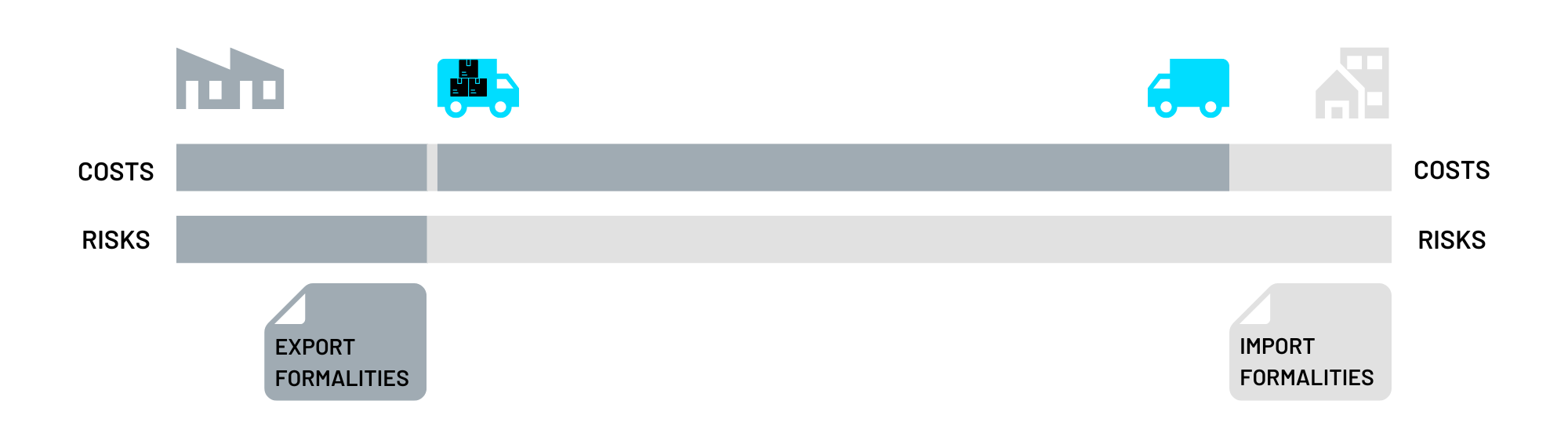
7. Carriage Paid To (CPT)
- The seller is responsible for export and pays for transport, but does not have transport risk.
- The buyer is responsible for import where applicable.
- Risk transfers when Seller hands goods to the carrier.
8. Carriage, InsurancePaid To (CIP)
- The seller is responsible for export and pays for transport, but does not have transport risk. Seller contracts for ‘all risks’ cover insurance against buyer’s transport risk.
- The buyer is responsible for import where applicable.
- Risk transfers when Seller hands goods to the carrier.
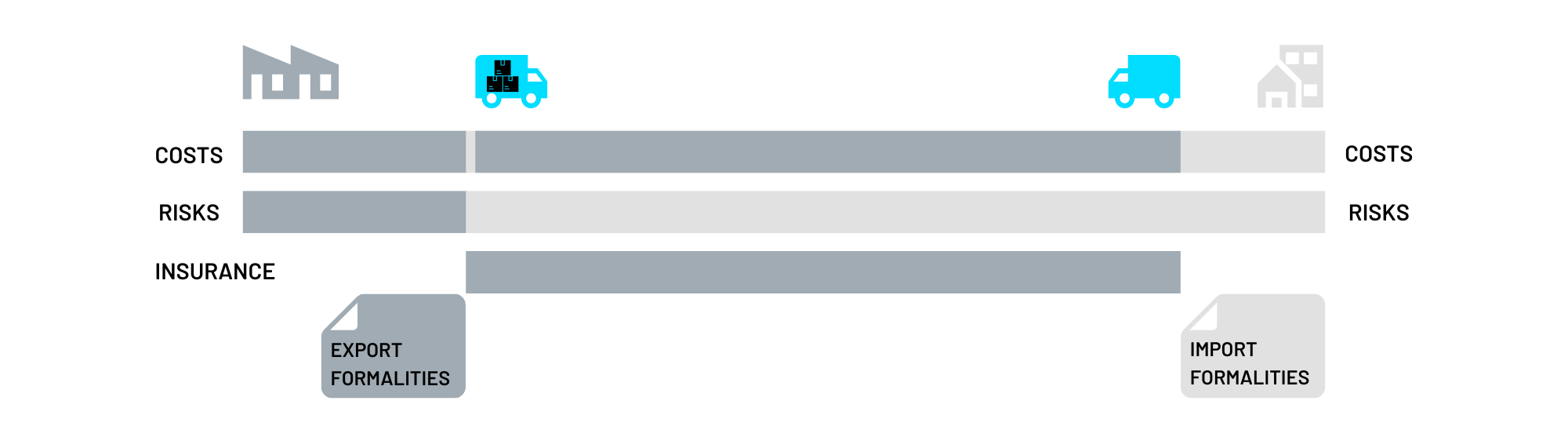
9. Delivered At Place (DAP)
- The seller is responsible for export and pays for transport.
- The buyer is responsible for import where applicable.
- Risk transfers when the seller delivers the goods at the buyer’s disposal
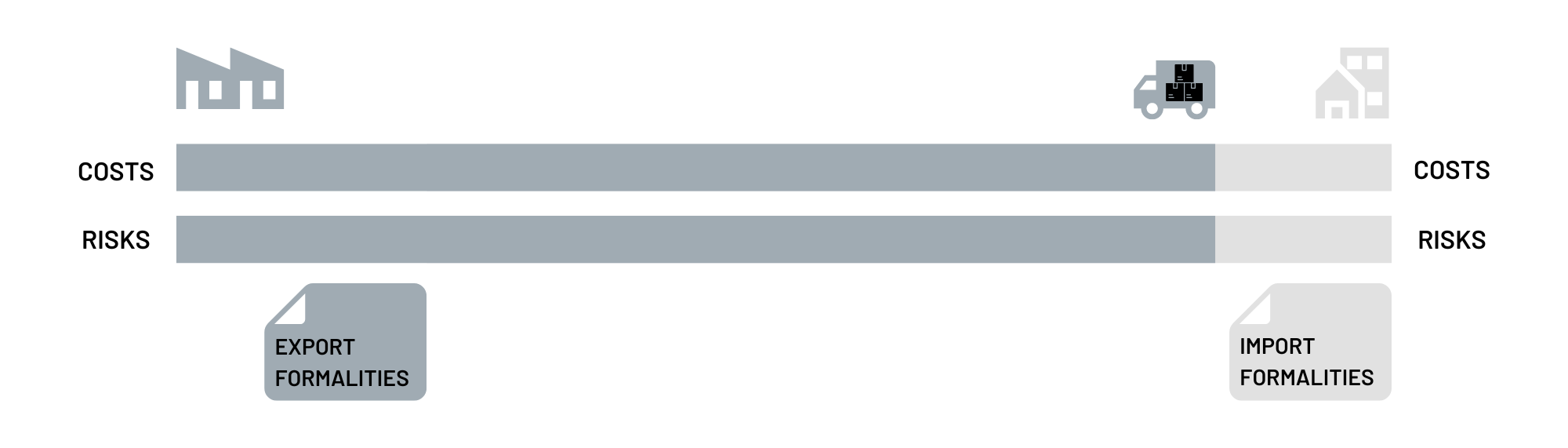
10. Delivered At Place Unloaded (DPU) or Delivered At Terminal (DAT)
- The seller is responsible for export and pays for transport
- The Buyer is responsible for import where applicable.
- Risk Transfers when the seller unloads the goods from arriving transportation and places them at Buyer’s disposal at the named place of destination.
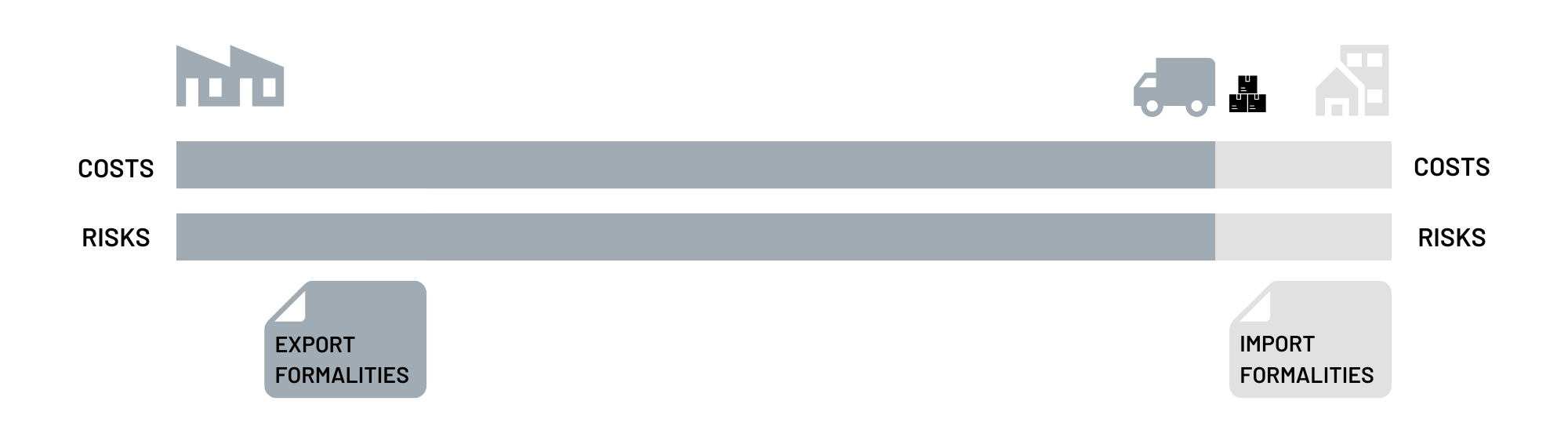
11. Delivery Duty Paid (DDP)
- The seller is responsible for export and pays for transport. The seller is also responsible for destination duties and taxes.
- The buyer is responsible for import where applicable.
- Risk transfers when seller places the goods, cleared for import, at buyer’s disposal on arriving means of transport at the named place
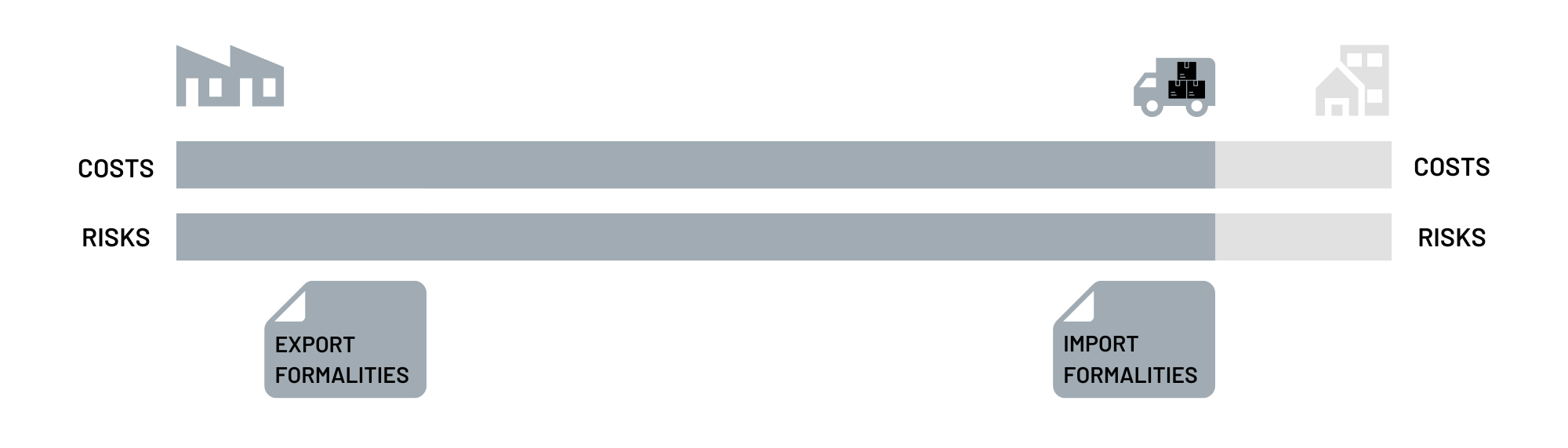
Key takeaways

Bringing 10+ years of experience across international marketing, business administration, and strategic brand management, Explorate's media lead has directed corporate communications within competitive industrial and tech sectors to expertly navigate reputation across the digital supply chain landscape.
Frequently Asked Questions
Explorate gives supply chain managers one real-time view across ever forwarder, lane and mode without replacing your current process, partners or systems.

